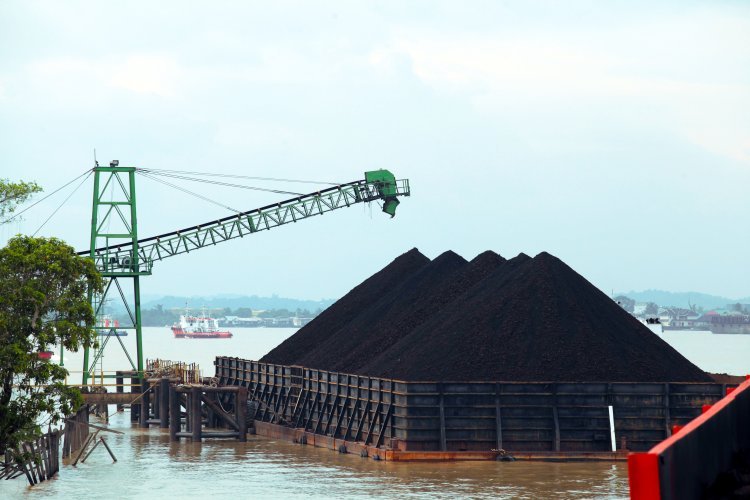
Even as the world shifts towards decarbonization, the strategic evolution of coal power remains a critical global conversation. For many nations, particularly those with burgeoning industrial sectors and growing energy demands, entirely phasing out coal isn't a viable short-term option without significant economic and social upheaval. Instead, the focus is increasingly turning to Advanced Coal Power Strategies & Tips – innovative approaches that dramatically reduce emissions, boost efficiency, and even transform coal-fired facilities into a linchpin of a broader circular economy. This isn't about clinging to the past; it's about intelligently managing a complex energy present while building a cleaner future.
At a Glance: Smart Coal Power for a Changing World
- Efficiency is Key: Upgrading to High-Efficiency, Low-Emissions (HELE) technologies like ultra-supercritical plants can slash CO2 output by 20-30% compared to older facilities.
- Capture the Carbon: Carbon Capture, Utilization, and Storage (CCUS) offers a pathway to near-zero emissions, transforming CO2 from a pollutant into a valuable resource.
- Beyond Combustion: Emerging technologies like Integrated Gasification Combined Cycle (IGCC) and chemical looping push the boundaries of clean coal.
- Economic Sense: Strategic investment in advanced coal can unlock trillions in economic growth and avoid the prohibitive costs and output shortfalls of premature, full-scale replacement.
- Circular Economy: Coal’s role extends beyond electricity; it's vital for steel, cement, and critical minerals, and its by-products can be repurposed, reducing waste.
- Digital Transformation: AI and advanced analytics are optimizing plant operations, boosting efficiency, and enabling predictive maintenance for extended lifespans.
- Global Nuance: Each nation faces unique energy needs, making a gradual, technologically-driven transition more realistic than a one-size-fits-all approach.
The Enduring Role of Coal: Beyond the Buzzwords
Let's be candid: coal powers a significant chunk of our modern world. It's responsible for roughly 36% of global electricity production and remains indispensable for bedrock industries. Steel production relies on coal for 70% of its output, cement for 90%, and aluminum for 60%. Beyond that, coal is a source for cost-effective hydrogen and increasingly, critical minerals like copper, cobalt, and nickel – materials vital for the very renewable energy and battery storage solutions we're striving for.
This isn't just about electricity; it's about the fundamental building blocks of infrastructure and modern life. Paul Baruya, Director of Strategy and Sustainability at FutureCoal, aptly states that "coal is a versatile resource vital to modern life, industrial development, and economic progress." FutureCoal’s research even suggests that replacing coal with alternative energy would incur an additional $2.7 trillion due to output shortfalls, whereas upgrading existing coal plants to ultra-supercritical standards could inject over $1.5 trillion into the global economy. The socio-economic ramifications of hastily phasing out coal, including potential job losses and economic stress, are very real considerations for many developing nations.
This nuanced perspective challenges the notion of prematurely abandoning coal in favor of renewables alone. Instead, it advocates for a thoughtful integration of advanced coal technologies as a critical component in our journey towards net-zero emissions, aligning with responsible energy policies and investments.
High-Efficiency, Low-Emissions (HELE) Technologies: The Foundation of Modern Coal
At the heart of advanced coal power lies the relentless pursuit of efficiency. Every percentage point gained means less coal burned, fewer emissions released, and lower operational costs. This is where High-Efficiency, Low-Emissions (HELE) technologies come into play, primarily through sophisticated pulverized coal combustion (PCC) systems.
Traditional coal plants operate at subcritical steam conditions, where steam pressure and temperature are relatively low. Modern HELE plants, however, push these boundaries significantly.
A Spectrum of Efficiency: From Subcritical to Ultra-Supercritical
- Subcritical: These older plants (common before the 1970s) typically achieve around 33-35% efficiency. They represent the low end of performance, consuming more coal and producing more emissions per unit of electricity.
- Supercritical: Operating at higher pressures and temperatures (above the critical point of water, where there's no distinction between liquid and gas), these plants achieve efficiencies of 38-42%. This was a significant leap forward, reducing CO2 emissions by roughly 10-15% compared to subcritical.
- Ultra-Supercritical (USC): This is where real strides are made. USC plants operate at even higher temperatures (up to 600°C / 1112°F) and pressures, reaching efficiencies of 43-47%. The resulting CO2 reductions can be 20-25% over subcritical plants. The technology relies on advanced materials capable of withstanding these extreme conditions.
- Advanced Ultra-Supercritical (AUSC): Pushing the envelope further, AUSC plants aim for temperatures exceeding 700°C (1292°F) and efficiencies upwards of 50%. While still under development and demonstration, AUSC represents the peak of thermal efficiency for coal-fired power, promising even deeper emissions cuts.
Practical Tips for HELE Implementation:
- Assess Your Fleet: Begin by inventorying your existing coal fleet. Identify older subcritical or less efficient supercritical units that are prime candidates for upgrades or replacement.
- Feasibility Studies: Conduct thorough techno-economic feasibility studies. Upgrading an existing plant to USC standards can be complex, involving new boiler components, turbines, and materials.
- Material Science Matters: The ability of USC and AUSC plants to operate at extreme temperatures and pressures hinges on advanced alloys. Research and select materials (e.g., nickel-based alloys) that offer high creep resistance and corrosion resistance.
- Lifecycle Management: Consider the full lifecycle implications. While initial investment for an upgrade or new USC plant is substantial, the operational savings from reduced fuel consumption and lower emissions over decades can offer a strong return.
- Digital Integration: Pair HELE upgrades with advanced digital controls and AI-driven optimization systems. These can fine-tune combustion, steam cycles, and overall plant performance, extracting every last bit of efficiency. For insights into optimizing power generation, you might find a satisfactory coal generator guide useful for understanding foundational principles of efficient energy production.
By embracing HELE technologies, power generators aren't just making incremental improvements; they're fundamentally reshaping the environmental footprint and economic viability of coal power, paving the way for further advanced strategies.
Carbon Capture, Utilization, and Storage (CCUS): Sequestration and Beyond
While HELE technologies reduce the amount of CO2 generated, Carbon Capture, Utilization, and Storage (CCUS) addresses the emissions themselves by preventing them from entering the atmosphere. This suite of technologies is arguably the most transformative advanced coal strategy, offering a pathway to near-zero emissions from fossil fuel power generation.
How CCUS Works: Three Main Approaches
- Post-Combustion Capture: This is the most common approach, where CO2 is separated from the flue gas after the coal has been burned. The CO2-rich flue gas passes through an absorber, typically containing a chemical solvent (like amines) that selectively binds with CO2. The solvent is then regenerated, releasing a concentrated stream of CO2, ready for transport.
- Pre-Combustion Capture: Used in technologies like Integrated Gasification Combined Cycle (IGCC), this method captures CO2 before combustion. Coal is first gasified to produce syngas (a mixture primarily of hydrogen and carbon monoxide). The carbon monoxide is then reacted with steam to produce more hydrogen and CO2, which can be captured at high pressure and concentration before the hydrogen-rich fuel is burned.
- Oxy-Fuel Combustion: In this method, coal is burned in a mixture of pure oxygen and recirculated flue gas, rather than air. This produces a flue gas with a very high concentration of CO2 and water vapor, making CO2 separation much simpler and more energy-efficient.
Carbon Utilization (CCU): Turning Waste into Value
Captured CO2 isn't just stored away; it can be a valuable resource. This "utilization" aspect is critical to improving the economic viability of CCUS:
- Enhanced Oil Recovery (EOR): Injecting CO2 into mature oil fields increases pressure and reduces oil viscosity, allowing more oil to be extracted. This has been a significant driver for early CCUS projects.
- Building Materials: CO2 can be used in the production of concrete and other construction materials, sequestering it permanently.
- Chemical Feedstock: CO2 can be converted into various chemicals, including fuels, plastics, and fertilizers. Research into direct air capture and CO2-to-fuel technologies is expanding these possibilities.
- Food & Beverage: CO2 is used in carbonated drinks, greenhouses to enhance plant growth, and even in industrial refrigeration.
Carbon Storage (CCS): Safe and Permanent Sequestration
Once captured, CO2 needs to be stored safely and permanently. The primary method is geological storage:
- Deep Saline Aquifers: These are porous rock formations deep underground that contain salty water and are unsuitable for drinking. They offer vast storage potential.
- Depleted Oil and Gas Reservoirs: These formations have already held hydrocarbons for millions of years, indicating their integrity for long-term storage.
- Unmineable Coal Seams: CO2 can be injected into these seams, where it adsorbs to the coal matrix, potentially enhancing methane recovery as a by-product.
CCUS Tips and Considerations:
- Policy & Incentives: The economic viability of CCUS often hinges on government policies, carbon pricing mechanisms, and incentives. Advocate for and leverage available programs.
- Infrastructure Development: Building out CO2 transport pipelines and suitable storage sites requires significant infrastructure investment and cross-sector collaboration.
- Cost Reduction: Research and development are continuously working to reduce the energy penalty and capital costs associated with CCUS. Explore new solvent technologies or membrane separation techniques.
- Public Acceptance: Engage with local communities to educate them on the safety and benefits of CCUS and storage sites, addressing concerns proactively. FutureCoal notes that HELE plants and CCS technologies combined could reduce emissions by up to 1,412 million tonnes of CO2 annually – equivalent to removing 310-560 million SUVs from global roads. This is a powerful message for public engagement.
Beyond HELE and CCUS: Emerging Coal Technologies and Strategies
While HELE and CCUS form the bedrock of current advanced coal strategies, innovation continues to push the boundaries, exploring entirely new ways to utilize coal with minimal environmental impact.
Integrated Gasification Combined Cycle (IGCC)
IGCC plants represent a paradigm shift from traditional combustion. Instead of directly burning pulverized coal, coal is first reacted with oxygen and steam under high pressure and temperature in a gasifier to produce "syngas" – a clean-burning fuel primarily composed of hydrogen and carbon monoxide.
- How it Works: The syngas is then cleaned to remove impurities before being fed into a gas turbine to generate electricity. The hot exhaust from the gas turbine is used to create steam, which drives a separate steam turbine – hence, "combined cycle."
- Benefits: IGCC offers higher efficiencies (often in the range of 45-50% for modern designs) and significantly lower emissions of traditional pollutants like SOx, NOx, and particulates. Critically, the CO2 in syngas is at a higher concentration and pressure, making pre-combustion carbon capture much more efficient and less costly than post-combustion capture in PCC plants.
- Considerations: IGCC plants are more complex and have higher capital costs than conventional PCC plants. However, their superior environmental performance and carbon capture readiness make them a strong contender for future cleaner coal power.
Chemical Looping Combustion (CLC)
CLC is an exciting, cutting-edge technology that offers inherent CO2 separation without the need for energy-intensive post-combustion capture.
- How it Works: In CLC, coal is reacted with an oxygen carrier (usually a metal oxide) in a fuel reactor, which oxidizes the coal and produces a concentrated stream of CO2 and steam. The oxygen carrier then moves to an air reactor, where it's re-oxidized by air, preparing it to react with more fuel. No air ever mixes with the fuel, meaning the CO2 stream is pure and ready for capture and storage.
- Benefits: This process intrinsically separates CO2 from nitrogen, eliminating the energy penalty associated with conventional CO2 capture.
- Considerations: CLC is still largely in the research and demonstration phase, with challenges around oxygen carrier durability, scale-up, and overall system integration.
Advanced Combustion Techniques
Beyond the main HELE types, ongoing research refines other combustion methods:
- Fluidized Bed Combustion (FBC): In FBC, coal is burned in a bed of inert material (like sand or limestone) suspended by jets of air. This allows for lower combustion temperatures, which reduces NOx formation. If limestone is used in the bed, it can also capture SO2 directly, eliminating the need for separate scrubbers. FBC is particularly good for burning lower-quality coals and biomass blends.
- Oxygen-Enhanced Combustion: While related to oxy-fuel, this involves adding smaller amounts of pure oxygen to the combustion air in conventional boilers to increase efficiency and reduce flue gas volume, making subsequent CO2 capture easier.
Digitalization, AI, and Predictive Maintenance
The future of advanced coal isn't just in the physical plant; it's also in the digital realm.
- AI-Driven Optimization: Advanced algorithms can continuously monitor hundreds of operational parameters, optimizing combustion efficiency, steam temperature, and pressure in real-time. This can lead to small, continuous gains that add up to significant fuel savings and emissions reductions.
- Predictive Maintenance: AI and machine learning analyze data from sensors across the plant to predict equipment failures before they occur. This minimizes downtime, extends equipment lifespan, and reduces maintenance costs, ensuring the plant operates at peak efficiency more reliably.
- Remote Monitoring and Control: Digital twins and remote operation centers allow for centralized monitoring and control, improving responsiveness and data-driven decision-making.
Waste Heat Recovery
Even the most efficient power plants release some heat. Capturing and repurposing this "waste heat" can further boost overall plant efficiency and reduce the need for additional energy input.
- Combined Heat and Power (CHP): Rather than just generating electricity, CHP systems capture the exhaust heat to produce steam or hot water for industrial processes, district heating, or cooling. This can significantly increase the overall energy utilization efficiency of the fuel.
- Organic Rankine Cycle (ORC): ORC technology uses an organic fluid with a lower boiling point than water to recover heat from lower temperature sources and convert it into electricity. This is particularly useful for recovering heat from cooling water or other relatively low-grade heat streams.
These emerging technologies, coupled with the power of digitalization, offer a dynamic landscape for innovation in coal power, moving it further towards sustainability.
Economic Realities and Strategic Investment
Discussions around coal often become highly polarized, obscuring the practical economic realities at play. For many nations, particularly those experiencing rapid industrial growth, the immediate and complete replacement of coal is not just expensive but potentially destabilizing.
The Cost of Inaction vs. Strategic Upgrades
As FutureCoal's report highlights, prematurely abandoning coal could lead to shortfalls in output costing an additional $2.7 trillion globally. In stark contrast, strategic investments in advanced coal technologies, such as replacing older plants with ultra-supercritical facilities, could inject over $1.5 trillion into the global economy. This isn't just about avoiding costs; it's about generating wealth and fostering economic resilience.
- Reduced Operating Costs: HELE plants consume less fuel per unit of electricity, leading to significant savings over their operational lifetime, especially as fuel prices fluctuate.
- Extended Asset Lifespan: Upgrading existing infrastructure can extend the operational life of power plants, deferring the massive capital expenditure of building entirely new facilities.
- Future-Proofing: Investing in CCUS-ready designs or flexible IGCC plants can future-proof assets against evolving carbon regulations and ensure continued operation in a decarbonized energy landscape.
Financing Mechanisms and Policy Frameworks
Realizing the potential of advanced coal requires robust financial and policy support:
- Green Bonds and Sustainable Finance: While traditionally associated with renewables, instruments like green bonds can be adapted for projects that significantly reduce emissions from existing fossil fuel infrastructure.
- Carbon Pricing: Establishing a clear and stable price on carbon provides a powerful economic incentive for investing in emission reduction technologies like HELE and CCUS.
- Government Grants and Loan Guarantees: These can de-risk pioneering advanced coal projects, encouraging private sector investment in novel technologies.
- International Collaboration: Partnerships between developed and developing nations can facilitate technology transfer and shared investment in advanced coal solutions, recognizing the global nature of climate change.
Job Creation and Socio-Economic Stability
The coal industry, in its broader value chain, supports millions of jobs globally, from mining and logistics to power plant operations and maintenance. Phasing out coal without a carefully managed transition plan can devastate communities. Advanced coal strategies, however, offer a path to preserve and create skilled jobs by:
- Modernizing Infrastructure: Upgrading plants requires skilled engineers, technicians, and construction workers.
- Developing New Industries: The growth of CCUS can spur new sectors in CO2 transport, utilization, and storage.
- Extracting Critical Minerals: Repurposing coal by-products for critical mineral extraction can create entirely new value chains and employment opportunities.
The transition must be "just," ensuring that communities reliant on coal are supported through retraining, economic diversification, and investment in new opportunities.
Building a Circular Coal Economy
The conversation about coal needs to expand beyond just burning it for electricity. A truly advanced strategy integrates coal into a circular economy, minimizing waste and maximizing resource utility throughout its lifecycle.
Ash Utilization and By-product Repurposing
Coal combustion produces large quantities of ash (fly ash, bottom ash). Instead of considering it mere waste, advanced strategies focus on beneficial reuse:
- Cement and Concrete: Fly ash is a valuable supplementary cementitious material, improving concrete strength, durability, and workability while reducing the need for energy-intensive Portland cement.
- Road Construction: Ash can be used as a filler or base material in road construction.
- Mine Reclamation: Ash can be used to fill abandoned mines, improving stability and reducing environmental hazards.
- Building Materials: Ash can be incorporated into bricks, blocks, and lightweight aggregates.
Water Management
Coal power plants are water-intensive. Advanced strategies prioritize responsible water usage:
- Closed-Loop Cooling Systems: Moving away from once-through cooling to closed-loop systems (like cooling towers) significantly reduces water withdrawal from natural sources.
- Wastewater Treatment and Reuse: Implementing advanced wastewater treatment technologies allows for the recycling of plant water, minimizing discharge and fresh water demand.
- Dry Cooling Technologies: In water-scarce regions, dry cooling can be employed, though it generally involves higher capital costs and can slightly reduce efficiency.
Critical Mineral Extraction from Coal and Ash
Coal and its combustion by-products (especially fly ash) contain trace amounts of valuable critical minerals, including rare earth elements (REEs), cobalt, nickel, lithium, and copper – all essential for renewable energy technologies and electronics.
- How it Works: Developing advanced separation and extraction technologies can recover these minerals from coal seams, overburden, or ash ponds.
- Benefits: This creates a domestic source of strategically important minerals, reduces reliance on foreign supply chains, and adds significant economic value to what was previously considered waste. It also minimizes the environmental impact of traditional mining for these minerals.
- Current Status: This field is rapidly advancing, with pilot projects demonstrating the feasibility of economically extracting these resources.
By embracing these circular economy principles, the coal industry can transform its environmental footprint and enhance its economic value proposition, positioning itself as a diversified resource provider rather than solely an energy producer.
Navigating the Transition: Policy, Collaboration, and Global Context
The global energy transition is not a uniform sprint but a complex, multi-speed journey. Different nations are at different stages of development, possess unique resource endowments, and face distinct energy security challenges. This means a one-size-fits-all approach to phasing out fossil fuels is impractical and potentially harmful.
Diverse Energy Mixes for Diverse Nations
The FutureCoal report rightly points out that "each nation is at a different stage of development, requiring unique energy mixes and a more gradual transition away from fossil fuels." For countries with abundant domestic coal resources, high industrial demand, and limited capital for immediate, large-scale renewable deployment, advanced coal technologies offer a pragmatic path to continue socio-economic growth while simultaneously decarbonizing. This is particularly relevant in Europe and North America, where coal's role as a resilient and reliable energy source has been repeatedly demonstrated during periods of energy market volatility.
The Role of International Collaboration
Achieving meaningful global emissions reductions requires unprecedented collaboration across the entire energy value chain.
- Technology Transfer: Developed nations with expertise in HELE and CCUS technologies can play a crucial role in transferring this knowledge and capacity to developing countries.
- Shared Investment: International financial institutions and multilateral development banks can help fund advanced coal projects in regions where they are most needed, ensuring they meet the highest environmental standards.
- Standardization: Developing global standards for advanced coal technologies, emissions reporting, and CCUS project implementation can foster confidence and accelerate adoption. FutureCoal's "Sustainable Coal Stewardship roadmap" is an example of such efforts, aiming to challenge and reshape stakeholder views on coal and build a globally united value chain.
Addressing the "Just Transition" for Coal Communities
As coal's role evolves, it's paramount to ensure a "just transition" for the communities and workforces traditionally dependent on the coal industry. This involves:
- Workforce Retraining: Providing opportunities for coal miners and power plant workers to acquire new skills for advanced coal technologies, renewable energy sectors, or other emerging industries.
- Economic Diversification: Investing in new businesses and industries in coal-dependent regions to create alternative employment opportunities.
- Community Support: Ensuring robust social safety nets and support programs for communities undergoing economic shifts.
This holistic approach acknowledges that energy transitions are not just about technology; they are fundamentally about people and societal well-being.
Common Misconceptions About Advanced Coal
In the highly charged energy debate, several persistent misconceptions often cloud the discussion around advanced coal technologies. Let's tackle a few head-on.
"Coal is Inherently Dirty and Cannot Be Cleaned Up."
This is an outdated view. While historical coal plants were indeed significant polluters, modern HELE plants (especially USC and AUSC) drastically reduce criteria pollutants like SOx, NOx, and particulates, alongside substantial CO2 reductions. When coupled with CCUS, coal-fired power generation can approach near-zero emissions. The technology exists to make coal power much cleaner than many assume.
"Renewables Can Replace All Coal Overnight, Making Advanced Coal Obsolete."
While renewables are expanding rapidly and are a critical part of the energy mix, they currently cannot provide the 24/7 baseload power, grid stability, and industrial feedstocks (like metallurgical coal for steel) that coal currently delivers for many economies. The intermittency of solar and wind requires dispatchable power sources or massive storage solutions, which are not yet available at the scale needed to entirely replace coal globally without significant economic disruption. Advanced coal offers a necessary bridge during this multi-decade transition.
"Advanced Coal Technologies Are Too Expensive and Impractical."
While initial capital costs for new HELE plants or CCUS retrofits can be substantial, the full economic picture is more nuanced. As discussed, FutureCoal's report suggests that upgrading coal plants can inject trillions into the global economy, contrasting sharply with the cost and output shortfalls of premature replacement. Furthermore, the cost of not investing in these technologies – in terms of environmental damage, health impacts, and economic instability – must also be factored in. As technologies mature and economies of scale develop, the costs of CCUS, for instance, are projected to decrease significantly.
Your Next Steps Towards Cleaner Coal Power
For decision-makers in energy, industry, and policy, the path forward with coal is one of strategic evolution, not abrupt abandonment. Here’s how you can take action:
- Conduct a Comprehensive Fleet Assessment: Understand the current efficiency, emissions profile, and remaining lifespan of your existing coal power assets. Identify priority candidates for HELE upgrades or replacement with state-of-the-art facilities.
- Explore Technology Pathways: Research and pilot advanced technologies such as USC, IGCC, and CCUS tailored to your specific operational context and geological storage potential. Engage with technology providers and research institutions.
- Develop a Digital Roadmap: Invest in advanced digital twins, AI-driven optimization, and predictive maintenance systems to extract maximum efficiency and reliability from both current and upgraded facilities.
- Engage with Policy Makers: Advocate for supportive policy frameworks, carbon pricing mechanisms, and financial incentives that recognize the value of emission reductions from advanced coal technologies. Help shape a regulatory environment that rewards innovation.
- Foster Collaboration: Seek partnerships across the coal value chain – from mining to power generation to by-product utilization – and collaborate internationally to share best practices and accelerate technology adoption.
- Champion a Circular Economy Approach: Actively seek ways to repurpose coal ash, manage water resources efficiently, and explore critical mineral extraction opportunities, creating new revenue streams and reducing waste.
- Prioritize Workforce and Community Transition: Ensure that any transition plans include robust support for workers and communities, fostering new skills and economic diversification.
The future of energy is complex, requiring all viable, cleaner solutions. Advanced coal power, when thoughtfully implemented, is not a relic of the past but a pragmatic, economically vital, and technologically sophisticated part of the solution for a resilient and low-carbon energy future.